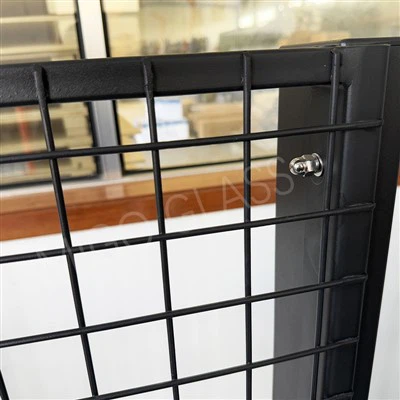
Glass is one of the most important structural components in a modern padel court. While many buyers compare prices based on glass thickness alone, engineers know that changing from 10mm to 12mm or 15mm tempered glass affects the entire court system, including the steel structure, connectors, foundations, and installation process.
For commercial projects, glass thickness should always be selected as part of the overall engineering design rather than as an independent specification.
Why Glass Thickness Matters
Thicker glass generally provides greater rigidity and impact resistance, but it also increases the weight of each panel.
As the panel weight increases, more load is transferred to:
- Steel columns
- Glass connectors
- Base plates
- Anchor bolts
- Concrete foundations
Simply replacing 10mm glass with 15mm glass without adjusting the supporting structure is not considered good engineering practice.
Different Projects Require Different Thicknesses
Most manufacturers offer several glass options depending on the application.
| Glass Thickness | Typical Application |
|---|---|
| 10mm | Residential or recreational courts |
| 12mm | Commercial clubs and sports centers |
| 15mm | Premium panoramic courts and high-end projects |
There is no universal "best" thickness. The correct choice depends on expected player traffic, local wind conditions, project budget, and engineering requirements.
Structural Design Must Change Accordingly
As glass becomes heavier, the supporting steel system often requires adjustments.
Professional manufacturers may recommend:
- Larger steel posts
- Thicker wall sections
- Reinforced base plates
- Heavy-duty glass connectors
- Higher-strength anchor bolts
These upgrades help maintain structural stability and reduce stress during long-term use.
Ignoring these changes may increase the risk of installation difficulties or excessive structural movement.
Installation Considerations
Heavier glass panels also require more careful handling during installation.
Contractors should consider:
- Lifting equipment
- Glass alignment
- Expansion gaps
- Connector tightening
- Glass protection during installation
Even small positioning errors become more difficult to correct when working with larger and heavier panels.
Project Example
A sports club in Spain originally planned to use standard 12mm glass for a panoramic court. After reviewing local wind conditions and expected tournament use, the engineering team upgraded the project to 15mm tempered glass together with reinforced steel posts and heavy-duty connectors.
Although the structural cost increased slightly, the upgraded design improved overall rigidity and reduced panel vibration during play.
Final Thoughts
Glass thickness should never be selected based on price alone.
For professional padel court projects, it directly influences the engineering design, structural calculations, installation method, and long-term performance of the entire system.
Working with an experienced manufacturer ensures that the glass, steel structure, and hardware are engineered as one complete solution rather than as separate components.