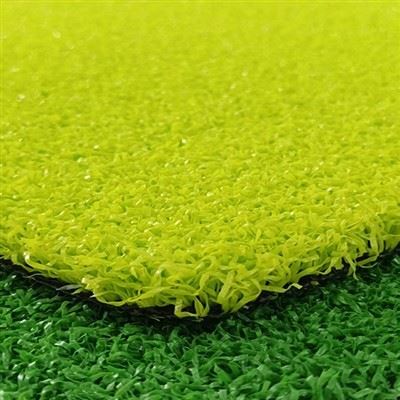
Outdoor cricket turf is designed to withstand heavy use and changing weather conditions, but regular cleaning is still essential for maintaining its appearance and playing performance. Dirt, leaves, dust, and other debris may seem harmless at first, yet if they remain on the surface for long periods, they can affect drainage, flatten the grass fibers, and reduce the quality of play.
For cricket clubs, schools, sports facilities, and training academies, a simple maintenance routine can help extend the lifespan of the turf while reducing future repair costs.
Remove Debris Regularly
The most basic maintenance task is keeping the surface free from loose debris.
Leaves, branches, sand, and litter can accumulate quickly, particularly during autumn or after strong winds. If left unattended, organic materials may trap moisture and encourage the growth of moss or weeds around the edges of the turf.
Routine cleaning should include:
- Removing leaves and branches
- Sweeping away dust and sand
- Collecting litter
- Cleaning the edges of the playing area
- Keeping drainage channels clear
Using a leaf blower or a soft broom is usually sufficient for routine cleaning without damaging the turf fibers.
Brush the Turf to Maintain Fiber Performance
Over time, repeated foot traffic causes the artificial grass fibers to lean in one direction. This is especially noticeable in bowling and batting areas where players repeatedly use the same positions.
Brushing the surface helps:
- Lift flattened fibers
- Maintain a natural appearance
- Improve ball bounce consistency
- Reduce uneven wear
- Distribute infill evenly (if applicable)
A soft-bristle mechanical brush or a dedicated turf grooming machine is recommended. Metal brushes should be avoided because they may damage the yarn.
Check Drainage After Rain
One of the main advantages of artificial cricket turf is its ability to drain water quickly. However, blocked drainage holes or accumulated debris can reduce drainage efficiency.
After heavy rainfall, inspect:
- Drainage holes
- Surface water flow
- Perimeter channels
- Low spots where water collects
If water remains on the surface for an extended period, the drainage system should be checked before the next training session.
Remove Stains Promptly
Food, drinks, mud, or bird droppings should be cleaned as soon as possible to prevent permanent staining.
For most stains:
Use clean water first.
If necessary, apply a mild detergent diluted with water.
Gently wipe the affected area with a soft cloth or sponge.
Rinse thoroughly to remove any detergent residue.
Strong solvents or harsh chemical cleaners should be avoided because they may damage the turf backing or fibers.
Outdoor Turf Cleaning Checklist
| Cleaning Task | Recommended Frequency |
|---|---|
| Remove leaves and debris | Weekly |
| Brush turf fibers | Every 2–4 weeks |
| Inspect drainage | After heavy rain |
| Clean stains | Immediately when noticed |
| Full surface inspection | Every 6 months |
Project Example
A cricket training center in Australia experienced slower drainage during the rainy season. At first, the management suspected a problem with the turf itself. After inspection, they found that leaves and dirt had blocked several drainage outlets around the practice wickets.
Once the drainage channels were cleaned and a regular weekly maintenance schedule was introduced, water cleared much faster after rainfall, allowing players to return to training sooner without additional repair work.
Final Thoughts
Cleaning outdoor cricket turf does not require complicated equipment, but regular maintenance makes a significant difference. Keeping the surface clean, brushing the fibers, maintaining drainage, and removing stains promptly all contribute to better playing conditions and a longer service life.
For facility owners, consistent maintenance is far more cost-effective than replacing worn sections prematurely. A well-maintained cricket turf not only looks more professional but also delivers more consistent ball bounce, safer footing, and lower long-term operating costs.