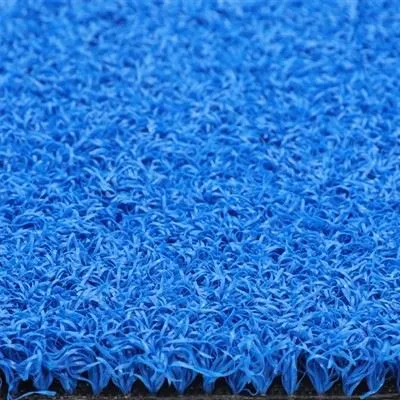
Artificial cricket turf is designed to provide consistent playing conditions while reducing the maintenance required by natural grass. However, "low maintenance" does not mean "maintenance-free." Without proper care, even high-quality cricket turf can lose its appearance and playing performance over time.
For sports clubs, schools, cricket academies, and facility operators, a simple maintenance routine can significantly extend the lifespan of the surface while reducing long-term repair costs.
Keep the Surface Clean
Dust, leaves, sand, and other debris gradually build up on artificial turf, especially on outdoor practice wickets and training facilities. If not removed regularly, these materials can affect drainage and make the playing surface uneven.
Routine cleaning should include:
- Removing leaves and loose debris
- Brushing the turf fibers
- Cleaning around the edges
- Checking drainage holes
- Removing weeds around the perimeter
Using a soft brush or specialized turf maintenance equipment helps keep the fibers standing upright and maintains a more consistent ball bounce.
Inspect High-Use Areas
Not every part of the turf wears at the same rate.
Areas where bowlers land, batters stand, or players repeatedly change direction usually experience greater stress. These locations should be inspected more frequently for signs of wear.
Look for:
- Flattened yarn
- Loose seams
- Worn backing
- Uneven infill (if applicable)
- Surface damage
Identifying small problems early is usually much less expensive than replacing large sections of turf later.
Protect the Turf from Unnecessary Damage
Many maintenance issues are caused by improper use rather than normal play.
To extend the life of the surface, avoid:
Dragging heavy equipment across the turf
Parking vehicles on the playing area
Using sharp tools directly on the surface
Allowing open flames or hot equipment near the turf
Some facilities also install protective mats during maintenance work to prevent unnecessary pressure on the playing surface.
Check Drainage Regularly
Good drainage is one of the biggest advantages of modern artificial cricket turf.
However, blocked drainage holes or accumulated debris can slow water runoff after rain.
Regular inspections should include:
- Drainage outlets
- Surface water flow
- Edge channels
- Ground settlement around the court
Proper drainage helps the turf dry faster and reduces the risk of mold or backing deterioration.
Routine Maintenance Checklist
| Maintenance Item | Recommended Frequency |
|---|---|
| Remove debris | Weekly |
| Brush turf fibers | Every 2–4 weeks |
| Inspect seams | Monthly |
| Check drainage | After heavy rainfall |
| Full condition inspection | Every 6–12 months |
Project Example
A cricket academy in the United Kingdom noticed that the bowling area of one practice wicket was wearing much faster than the rest of the surface after several seasons of daily training.
Instead of replacing the entire turf, the maintenance team introduced regular brushing, improved cleaning schedules, and rotated practice lanes where possible. These simple changes reduced concentrated wear and helped extend the service life of the installation while lowering annual maintenance costs.
Final Thoughts
Artificial cricket turf is built for durability, but its long-term performance depends on regular maintenance and proper use.
Simple tasks such as brushing the fibers, keeping the surface clean, checking drainage, and inspecting high-traffic areas can help preserve ball bounce, player safety, and overall appearance for many years.
For commercial facilities and cricket clubs, a well-maintained turf system not only reduces replacement costs but also provides players with a more consistent and professional playing experience throughout its service life.