As outdoor padel court construction continues to expand, developers and contractors are placing greater emphasis on materials that can withstand demanding weather conditions. From intense sunlight and heavy rain to humidity, temperature changes, and coastal environments, outdoor courts face challenges that can significantly affect their long-term performance.
For commercial clubs, choosing weather-resistant padel court materials is becoming an important way to reduce maintenance costs and protect long-term investment.
Outdoor Conditions Create Higher Material Requirements
Unlike indoor courts, outdoor padel facilities are exposed to the environment throughout the year. Poor-quality materials can deteriorate faster, leading to corrosion, fading, surface wear, or structural problems.
This is especially important in regions such as the Middle East, Southern Europe, and coastal markets, where high temperatures, strong UV exposure, or salt air can accelerate material aging.
As a result, buyers are paying closer attention to how each component performs under local climate conditions.
Corrosion-Resistant Steel Gains Importance
Steel structures and fencing are among the components most exposed to outdoor conditions.
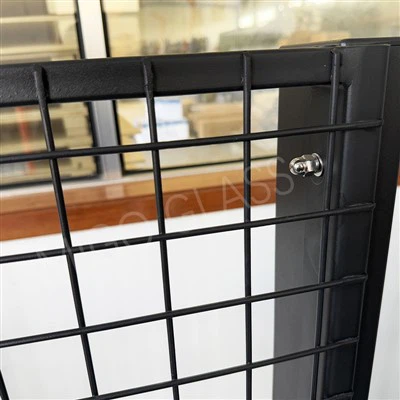
Professional projects increasingly use galvanized steel combined with durable powder-coated finishes to improve corrosion resistance and extend service life.
For contractors, stronger surface protection can help reduce:
- Rust and corrosion
- Paint peeling
- Frequent repainting
- Premature component replacement
This is particularly valuable for commercial clubs, where maintenance work can interrupt normal court operation.
UV-Stable Turf Supports Long-Term Performance
Artificial turf is another critical area.
Continuous sunlight can cause lower-quality turf fibers to fade, become brittle, or lose performance over time. Outdoor projects are therefore creating greater demand for UV-resistant padel turf designed specifically for prolonged exposure.
Professional buyers are also evaluating turf density, backing stability, drainage performance, and resistance to fiber collapse.
The goal is not simply to keep the turf looking good, but to maintain consistent ball bounce and player movement throughout its service life.
Glass and Lighting Must Perform Outdoors
Tempered glass must also maintain structural reliability despite changing temperatures, wind, and repeated impact during play.
At the same time, outdoor LED lighting systems require reliable weather protection to operate safely through rain, humidity, and temperature fluctuations.
For this reason, experienced buyers increasingly evaluate the court as a complete outdoor system, rather than selecting each material independently.
Lifecycle Value Becomes a Purchasing Priority
Weather-resistant materials may involve a higher initial investment, but commercial operators increasingly recognize the value of lower maintenance and longer replacement cycles.
A durable court can mean fewer repairs, less operational downtime, and more predictable maintenance costs.
As outdoor padel development continues worldwide, suppliers that can provide corrosion-resistant structures, UV-stable turf, reliable safety glass, and durable lighting systems will be better positioned to meet the changing requirements of professional court projects.