The rapid development of the global padel market is changing how courts are designed and built. As commercial clubs, distributors, and developers gain more experience, purchasing decisions are increasingly moving away from basic specifications and low initial prices toward performance, durability, safety, and lifecycle value.
This shift is driving several important material trends across modern padel court construction.
Higher-Quality Tempered Glass
Glass remains one of the most important components of a padel court because it functions as both an enclosure and part of the playing surface.
Professional projects increasingly focus on tempered glass strength, optical clarity, flatness, edge quality, and precision drilling.
While 12mm tempered safety glass remains widely used, premium projects are also showing greater interest in low-iron glass and heavier-duty glass configurations where higher transparency or additional structural performance is required.
For club operators, better glass can contribute to safer operation, clearer visibility, and more consistent court performance.
Padel-Specific Artificial Turf
Artificial turf is another area where buyer expectations are changing.
Rather than using generic sports grass, professional court builders increasingly prefer padel-specific turf systems engineered around player movement, ball bounce, sand interaction, and intensive daily use.
Key considerations now include:
- Consistent ball response
- High-density construction
- UV-resistant yarn
- Strong backing systems
- Resistance to fiber collapse
For high-frequency commercial clubs, turf lifespan and playing consistency can have a direct impact on maintenance costs and customer experience.
More Durable Steel and Fencing Systems
Outdoor courts require structural systems capable of handling years of environmental exposure.
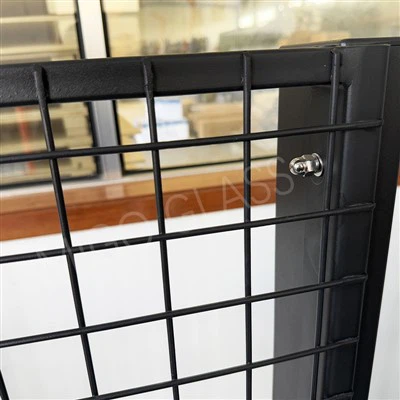
As a result, buyers are paying greater attention to galvanized steel, powder-coated finishes, corrosion resistance, welding quality, and connection stability.
This is especially important for coastal, humid, or high-temperature markets where lower-quality steel components may require frequent maintenance.
Energy-Efficient LED Lighting
Lighting is also becoming more sophisticated.
Modern projects increasingly use energy-efficient LED systems designed to deliver uniform illumination while reducing glare and electricity consumption. Smart controls can further improve efficiency by allowing clubs to manage individual courts according to actual usage.
For commercial facilities operating into the evening, lighting quality can influence both player satisfaction and long-term operating expenses.
Integrated Court Systems
Perhaps the most important trend is the movement toward integrated solutions.
Instead of purchasing glass, turf, steel structures, fencing, lighting, and accessories independently, many buyers prefer suppliers capable of coordinating multiple components as a complete system.
This can help improve component compatibility, procurement efficiency, installation coordination, and international logistics.
Quality Is Replacing Price as the Main Differentiator
The padel industry is becoming more mature, and material specifications are evolving with it.
For professional buyers, the question is increasingly not simply "How much does the court cost?" but "How reliably will it perform over years of commercial operation?"
Suppliers that can combine high-quality materials, stable manufacturing, customization, and reliable export support will be better positioned as the next generation of padel facilities is developed worldwide.