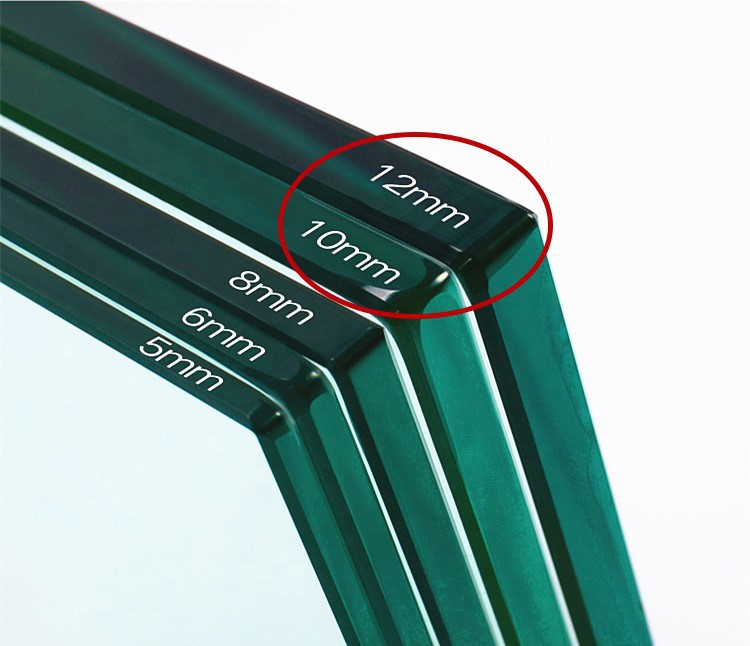
When it comes to padel court glass, 10mm and 12mm tempered glass are the two most common options, with key differences in performance, application scenarios, and practical effects.
1. Strength and Impact Resistance
10mm tempered glass: Offers sufficient strength for standard padel courts. It can withstand the impact of balls (typically 60-80km/h) and occasional light collisions from players, meeting basic safety and durability requirements for regular use.
12mm tempered glass: With 20% greater thickness, it boasts higher tensile strength and impact resistance. This makes it ideal for high-intensity scenarios, such as professional tournaments, busy commercial courts, or locations with stronger winds (e.g., outdoor courts in exposed areas). It reduces the risk of cracks from repeated heavy impacts.
2. Weight and Structural Requirements
10mm glass: Lighter per square meter (around 25kg/m²), which eases the load on the court's frame and support structures. It's suitable for standard court designs with conventional aluminum or steel frames, requiring less reinforcement.
12mm glass: Heavier (about 30kg/m²), so it demands sturdier supporting structures. Courts using 12mm glass often need reinforced frames, thicker aluminum profiles, or additional bracing to ensure stability, which may slightly increase installation complexity and cost.
3. Cost and Budget
10mm glass: More cost-effective, with lower material and transportation costs. It's the go-to choice for budget-conscious projects, such as community courts, training facilities, or amateur venues, where high-intensity use isn't a priority.
12mm glass: Pricier due to higher raw material usage. However, its longer lifespan and reduced maintenance needs (fewer replacements from damage) can offset the initial cost in high-usage settings, making it a cost-effective long-term investment for professional or commercial venues.
4. Application Scenarios
10mm glass is best for:
- Standard indoor/outdoor padel courts for casual play or training.
- Smaller venues with moderate usage frequency.
12mm glass is preferred to:
- Professional tournament courts, where durability and safety are critical.
- High-traffic commercial courts (e.g., sports clubs open daily for extended hours).
- Outdoor courts in windy areas or locations prone to accidental heavy impacts (e.g., near busy roads or public spaces).
Summary
The choice between 10mm and 12mm tempered glass depends on usage intensity, structural capacity, and budget. For most casual or standard courts, 10mm glass strikes a balance between performance and cost. For professional, high-traffic, or harsh-environment venues, 12mm glass provides enhanced durability and safety, justifying its higher upfront investment. Both options, as tempered glass, offer the core benefits of shatter resistance (breaking into small, blunt pieces) and compliance with padel court safety standards.