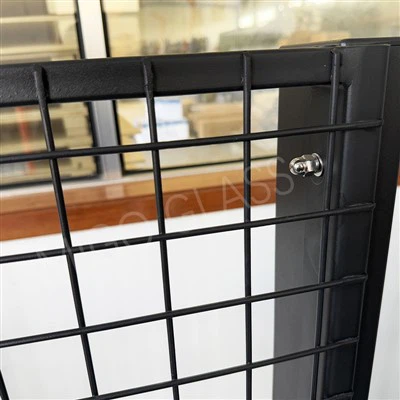
In the global push for low-carbon development, the choice of materials for sports facilities like padel courts is no longer just about performance-it also needs to align with environmental sustainability. Glass, as a high-performance and eco-friendly material, is reshaping padel court design through three core advantages: recyclable materials, energy conservation, and ecological adaptability. Below is a clear, easy-to-understand breakdown of its green value.
1. Material Circularity: From "Single-Use Waste" to "Full Lifecycle Recycling"
Glass solves the environmental drawbacks of traditional padel court materials (such as plastic fencing) by being fully recyclable and low-carbon to produce.
- Low-carbon production: Glass is made from natural minerals like quartz sand and soda ash. Producing 1 ton of glass only emits about 800kg of CO₂-60% less than plastic fencing (which emits 2,000kg of CO₂ per ton). It also uses no petroleum-based raw materials, cutting reliance on fossil fuels.
- Zero-waste recycling: The tempered or laminated glass used in padel court enclosures can be fully recycled at the end of its life (usually 20 years) to make new glass products, leaving no waste. By contrast, plastic fencing is only 30% recyclable; the remaining 70% is incinerated or landfilled, releasing toxic substances like dioxins that harm soil and air.
- Economic benefits too: For a 1,000㎡ padel court, discarded tempered glass has a residual value of about 300RMB per ton after 20 years. This recycling revenue covers 15% of the initial glass purchase cost. It also eliminates the 5,000RMB environmental disposal fee required for plastic fencing, making glass a win-win for both the planet and your budget.
2. Energy Conservation: "Double Savings" from Natural Light and Thermal Insulation
Glass's excellent light transmittance and sealing properties drastically reduce a padel court's energy use-saving money and cutting carbon emissions.
- No need for daytime lighting: Glass walls have a light transmittance of over 90%, letting in plenty of natural light. For a 1,000㎡ padel court, this means no need for artificial lighting for an average of 6 hours every day, slashing electricity bills for lighting.
- Lower heating/cooling costs: Glass enclosures also provide good thermal insulation. A 1,000㎡ glass-walled court in a temperate region can save 180,000 yuan in annual air conditioning/heating bills. Over time, this adds up to huge savings-and a yearly reduction of about 10 tons of CO₂ emissions.

3. Ecological Adaptation: Blending In Without Harming the Surroundings
Glass's transparency and low pollution help padel courts fit into their environment without disturbing local ecology or residents.
- No glare, better plant survival: Glass walls can be coated with a low-reflective layer, keeping their reflectivity below 3%. This avoids the harsh glare of metal fencing (which has a 30% reflectivity). In one community case, using low-reflection glass increased the survival rate of nearby green plants by 20% (thanks to better light conditions) and cut resident complaints about light pollution by 90%.
- No toxic chemical release: Unlike traditional composite panels (which release harmful VOCs at high temperatures), glass emits no chemicals during use. Even after rain, it leaves no toxic residues, so it won't pollute nearby soil or water. This makes it perfect for eco-sensitive areas like parks or residential neighborhoods.
- Blends with nature: Translucent glass enclosures let the court "merge" with surrounding landscapes-like trees or lakes. For example, a glass-walled padel court built near a lake meets athletes' needs while protecting the shoreline ecology, creating an "eco-friendly sports space."
Conclusion: Glass Is the Future of Padel Courts' Walls
From production to recycling, energy savings to ecological harmony, glass checks all the boxes for sustainable padel court construction. It meets professional standards for impact resistance and light transmittance, while slashing the court's environmental footprint and long-term operating costs.
As global low-carbon policies advance, glass will become the mainstream choice for padel courts-raising green standards for the entire sports venue industry. For investors and builders, choosing glass isn't just an eco-friendly decision; it also boosts long-term savings and brand value, driving the sports industry's shift toward sustainability.