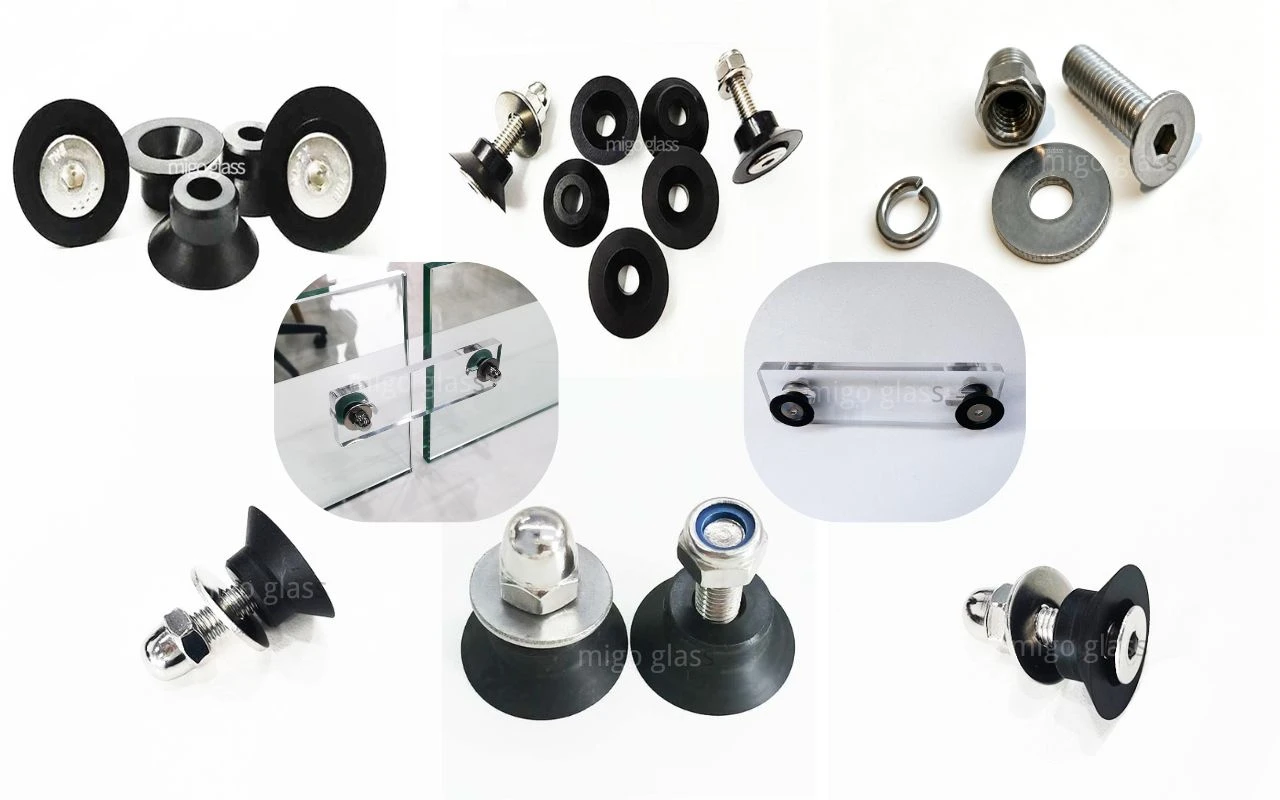
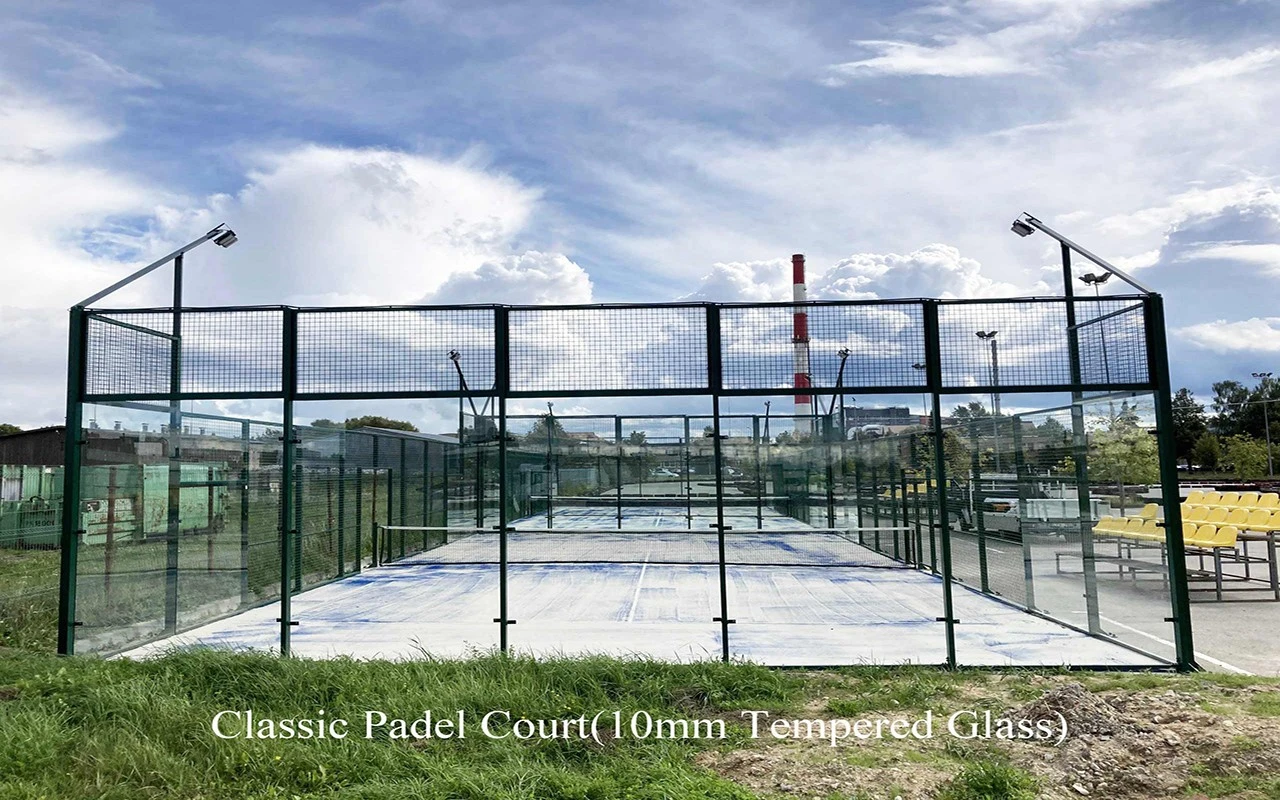
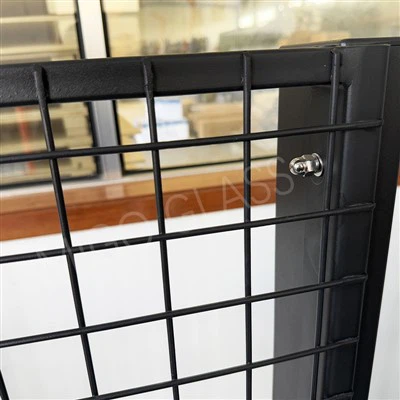
Padel court connectors are installed for year-round outdoor operation, enduring long-term exposure to harsh natural conditions including rainwater erosion, high air humidity, strong ultraviolet radiation from sunlight, drastic seasonal temperature shifts, and floating dust, salt fog and chemical pollutants in the air. Even hardware made of high-tensile metal will gradually degrade, loose and lose its original performance without reliable anti-corrosion protection layers.
For commercial padel clubs, tournament venues and permanent outdoor court projects, frequent disassembly, replacement and maintenance will bring huge labor and material losses. Therefore, anti-corrosion performance has become the core evaluation standard when purchasing padel court connector systems, directly determining the venue's long-term operating cost and safety stability.
Why Corrosion Resistance Is Critical for Padel Hardware
Surface rust is far more than an aesthetic flaw. Continuous corrosion will erode the metal base, destroy the matching tightness between bolts, gaskets and glass holes, and gradually weaken the overall structural stability of the fence system.
Typical hidden troubles triggered by insufficient anti-corrosion performance:
- Obvious surface rust spots and uneven discoloration, damaging the premium appearance of commercial courts
- Peeling, cracking and shedding of protective coating, accelerating subsequent metal oxidation
- Declined clamping & fastening force, leading to glass shaking, offset and hidden safety hazards
- Increased regular inspection, rust removal and replacement frequency, raising long-term operation expenditure
Such failures happen much faster in high-risk areas: coastal zones with heavy salt spray, tropical high-temperature & high-humidity regions, and rainy subtropical zones with long-term damp air. Low-grade connectors often fail within 1–2 years in these environments, while qualified anti-corrosion hardware can maintain stable performance for over 8 years.
Comparison of Main Anti-Corrosion Metal Materials
| Material Grade | Corrosion Resistance Level | Suitable Application Scenarios | Core Advantages |
|---|---|---|---|
| 304 Stainless Steel | Excellent | General outdoor padel courts, inland commercial clubs | Balanced cost & rust resistance, meets daily outdoor use demands |
| 316 Stainless Steel | Outstanding | Coastal courts, marine resorts, salt fog-prone areas | Molybdenum element added to resist chloride ion erosion, ultra-long service life |
| Hot-Dip Galvanized Steel | Very Good | Large-scale public sports projects, budget outdoor venues | Thick zinc layer provides whole-piece anti-rust protection for structural frames |
| Powder-Coated Carbon Steel | Good | Dry inland courts, indoor semi-outdoor venues | Rich customizable colors, limited anti-corrosion capacity in humid/salty areas |
For most high-end panoramic padel court projects, contractors adopt a matching combination: 304/316 stainless steel connectors paired with hot-dip galvanized support frames. This collocation achieves full-system anti-corrosion protection and greatly extends the whole venue's service cycle.
How Surface Treatment Improves Anti-Rust Lifespan
Material selection forms the foundation, while standardized surface treatment further doubles the hardware's outdoor durability. Professional manufacturers strictly control these key processing standards:
- Mirror/brushed polishing: Smooth metal surface reduces dust, salt and moisture adhesion points
- Passivation treatment: Forms a dense inert protective film on stainless steel to block oxidation
- Sufficient galvanizing thickness: Uniform zinc layer without missing coating or thin spots
- High-adhesion powder coating: Anti-peeling, anti-fading, resistant to UV aging
- Consistent surface uniformity: No tiny cracks or exposed metal substrate
Poor craftsmanship such as thin coating, incomplete passivation or rough polishing will create tiny gaps where rain and salt fog penetrate, triggering rust from the inside out even for stainless steel raw materials.
Real Customer Case Reference
An Australian padel club operator shared a practical long-term comparison after 5 years of venue operation:
- Courts equipped with full 316 stainless steel connectors: No rust, no loosening, original coating intact, zero replacement cost in 5 years
- Another branch using low-cost unpassivated iron hardware: Widespread rust on bolts, deformed washers, glass frame shaking, full set hardware replacement required within 3 years, bringing extra labor and material expenditure
Long-Term Economic Value of Anti-Corrosion Connectors
Professional venue builders and operators no longer judge hardware only by one-time purchase cost; they focus more on total lifecycle expenditure. Selecting high-performance anti-corrosion padel connectors brings sustainable economic benefits:
- Extend hardware service life by 3–5 times, reducing frequent replacement cycles
- Cut regular maintenance, rust cleaning and repair labor costs year by year
- Maintain stable clamping force of glass panels, avoiding safety accidents caused by loose connectors
- Keep uniform, clean appearance of the court for long-term brand image of commercial clubs
- Eliminate unexpected shutdown losses caused by emergency hardware replacement
With the rapid global expansion of padel sports, more investors and engineering contractors have formed a unified standard: anti-corrosion connector systems are mandatory for all permanent outdoor padel courts, especially commercial clubs, training bases and official tournament venues that pursue long-term stable operation and low maintenance costs.