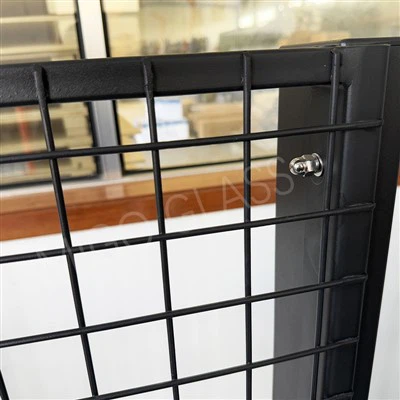
For padel court builders, glass procurement is not a simple purchasing task-it is a critical engineering decision that directly affects structural safety, installation efficiency, and long-term maintenance costs.
Before ordering padel court tempered glass, contractors must carefully evaluate technical requirements, project conditions, and supplier capabilities. Failing to prepare in advance often leads to delays, budget overruns, or safety risks during installation and operation.
Step 1: Confirm Court Type and Design Requirements
Different padel court structures require different glass configurations. Before procurement, builders must clearly define:
- Classic padel court or panoramic padel court
- Indoor or outdoor installation
- Structural steel system compatibility
- Glass and layout drawings
For example, panoramic padel courts typically require glass panels with higher visual clarity and stricter flatness control.
Step 2: Define Glass Specification Early
One of the most common procurement mistakes is delaying technical specification decisions.
Key parameters must be finalized:
- Thickness: typically 10mm or 12mm tempered glass
- Laminated options: 6+6mm for higher safety requirements
- Edge processing quality (polished edges required)
- Hole drilling positions for fixing systems
- Surface treatment requirements (if any)
Clear specification alignment ensures smooth manufacturing and avoids on-site modification risks.
Step 3: Evaluate Structural Load and Safety Requirements
Padel court glass is a load-bearing sports surface, not just an enclosure.
Builders should evaluate:
- Wind load conditions (especially for outdoor courts)
- Impact frequency from professional vs recreational use
- Safety compliance requirements in the target country
- Risk level of high-traffic facilities (clubs vs stadiums)
This step directly influences whether tempered or laminated solutions are more appropriate.
Step 4: Check Installation System Compatibility
Glass performance is highly dependent on how it connects to the structure.
Before procurement, confirm:
- Compatibility with clamp or frame systems
- Tolerance requirements between glass and steel structure
- Expansion gaps for thermal movement
- Fixing hardware specifications
Poor coordination between glass and fittings is one of the main causes of post-installation stress cracks.
Step 5: Verify Supplier Capability and Quality Control
Not all glass suppliers understand sports court applications. Builders should assess:
- Experience in padel court projects
- Tempering furnace quality and consistency control
- Edge polishing and drilling precision
- Packaging method for international shipping
- Ability to provide batch consistency for large projects
A reliable supplier reduces risk across the entire project lifecycle.
Step 6: Plan Logistics and On-Site Handling in Advance
Padel court glass is large, heavy, and fragile. Improper handling can cause micro-cracks before installation.
Builders should ensure:
- Proper A-frame packaging for transport
- Loading/unloading equipment availability on-site
- Storage conditions at the construction site
- Installation sequence planning
Logistics planning is often overlooked but critical for reducing breakage risk.
Step 7: Align Budget with Lifecycle Cost, Not Just Unit Price
A low-cost glass option may seem attractive initially, but can result in:
- Higher replacement frequency
- Increased maintenance downtime
- Safety risks and liability exposure
- Reduced court lifetime value
Professional builders should evaluate total lifecycle cost, not just procurement price.
MIGO GLASS Engineering Support for Padel Projects
MIGO GLASS supports global contractors and stadium builders with:
- 10mm & 12mm tempered padel court glass
- Laminated 6+6mm safety glass options
- Custom sizing for classic and panoramic courts
- Strict dimensional and quality control systems
- Professional export packaging for safe delivery
- Technical guidance for installation compatibility
Our goal is to help project teams reduce construction risks and ensure long-term structural reliability.
Conclusion
Before procuring padel court glass, builders must align design, specification, structural requirements, installation systems, and supplier capability. Proper preparation not only ensures safety and performance but also significantly reduces long-term operational costs.
In modern padel court construction, successful projects are not defined by the cheapest materials-but by the most reliable system integration.