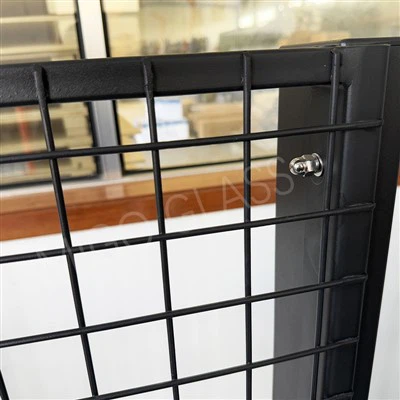
Mesh fencing may not be the most visible part of a padel court, but it is becoming one of the most important considerations in commercial projects.
Across the industry, contractors and club operators are increasingly moving away from lightweight fencing solutions and investing in heavy-duty mesh systems designed for long-term performance.
Commercial Courts Face Different Demands
A residential court and a commercial club operate under very different conditions.
Commercial facilities often experience:
- Continuous daily use
- Higher ball impact frequency
- Greater structural stress
- More demanding maintenance requirements
Under these conditions, fencing systems must withstand years of intensive operation without losing stability.
This is one reason heavy-duty mesh fencing is becoming the preferred choice for professional projects.
Structural Stability Is a Growing Priority
Court owners are increasingly focused on minimizing future maintenance costs.
Stronger fencing systems help reduce:
- • Mesh deformation
- •Weld failure risks
- •Structural movement
- •Repair frequency
For operators managing multiple courts, reducing maintenance interruptions can have a direct impact on profitability.
Buyers Are Looking Beyond Price
A growing number of buyers now evaluate fencing systems based on lifecycle value rather than initial cost.
When comparing options, they often consider:
- • Wire diameter
- • Steel quality
- • Welding technology
- • Corrosion protection
- • Coating performance
The goal is to invest in systems capable of delivering stable performance over many years of outdoor use.
Long-Term Reliability Drives Market Demand
As the commercial padel sector matures, infrastructure quality is becoming a major differentiator.
Heavy-duty mesh fencing is no longer viewed as an optional upgrade. For many commercial clubs and court brands, it is becoming a standard requirement for ensuring durability, safety, and long-term operational reliability.