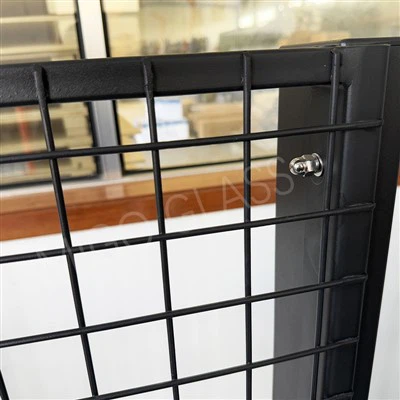
The continued expansion of pickleball is creating new demand across the global sports construction industry. As more commercial clubs, schools, municipalities, resorts, and residential communities invest in dedicated facilities, buyers are placing greater emphasis on court durability, playing performance, and long-term operating value.
What was once a relatively simple recreational court is increasingly becoming a professionally planned sports facility. This shift is raising expectations for the materials used in modern pickleball court construction.
Commercial Growth Is Raising Material Standards
The growth of dedicated pickleball venues is changing how developers approach material selection.
For commercial operators, the lowest initial purchase price is no longer the only consideration. Courts may operate for many hours each day, meaning fencing, structural systems, lighting, and playing surfaces must withstand frequent use and changing outdoor conditions.
As a result, buyers are increasingly looking for materials that offer:
- Higher structural durability
- Better corrosion resistance
- UV stability for outdoor environments
- Lower maintenance requirements
- Reliable long-term performance
This is particularly important for commercial facilities where maintenance or replacement can interrupt court availability and affect operating revenue.
Outdoor Projects Require More Durable Solutions
Outdoor pickleball courts face additional challenges from sunlight, rain, humidity, temperature changes, and coastal environments.
In response, project developers are paying closer attention to galvanized and powder-coated steel structures, weather-resistant fencing systems, UV-stable court materials, and professional LED lighting solutions.
Material specifications are also becoming more project-specific. A coastal facility, for example, may require stronger corrosion protection, while a high-temperature market may place greater emphasis on UV resistance and heat durability.
This trend is encouraging suppliers to move beyond standard products and provide solutions adapted to different climates and operating conditions.
Integrated Court Supply Is Gaining Attention
Another important development is the growing demand for complete or integrated court material packages.
Instead of sourcing every component from different manufacturers, some contractors and distributors prefer suppliers that can coordinate multiple court materials, including:
- Steel fencing and structural posts
- Court surface systems
- LED lighting
- Installation accessories
- Customized project components
A more integrated supply model can simplify purchasing, improve compatibility between materials, and reduce communication between multiple vendors.
For international projects, it can also make container planning and delivery coordination more efficient.
Customization Becomes More Important
As pickleball expands into different commercial and architectural environments, standardized solutions do not always meet every project requirement.
Buyers are increasingly requesting custom dimensions, OEM production, branded components, customized finishes, and project-specific export packaging.
This is especially relevant for distributors and court brands developing their own product systems. Reliable customization allows them to maintain consistent branding while adapting products to local construction requirements.
Long-Term Value Shapes Purchasing Decisions
The expansion of the pickleball market is also making buyers more experienced.
Rather than comparing products only by unit price, professional purchasers are increasingly considering total lifecycle cost. A more durable material may require a higher initial investment but can reduce maintenance, replacement frequency, and operational disruption over time.
For commercial facilities, this long-term value is becoming an important part of procurement decisions.
Market Outlook
As pickleball participation continues to grow, investment is expected to move beyond basic court construction toward higher-quality, longer-lasting sports facilities.
This creates opportunities for manufacturers that can provide stable quality, flexible customization, reliable production capacity, and professional international delivery.
The next stage of pickleball development is likely to be defined not simply by how many courts are built, but by how well those courts perform over years of commercial use. Premium court materials are therefore expected to play an increasingly important role in the industry's continued global expansion.