Padel Continues to Build a Global Structure
The increase in national federations shows that padel is developing not only through professional tournaments and player participation, but also through stronger national and regional governance.
FIP currently coordinates the sport internationally through national member federations, competition structures and development programs.
In June 2026, FIP reported that padel had reached around 38 million players across 178 countries and territories, supported by approximately 85,000 courts and 27,000 clubs worldwide.
This wider international structure is helping the sport establish a presence across both mature and emerging markets.
More National Federations Can Support Local Development
As more countries establish organized padel federations, local competition, player development and facility construction can become more structured.
National organizations can help coordinate tournaments, sporting regulations and development initiatives, while clubs and private operators continue to invest in the physical infrastructure required to support the sport.
For the padel industry, this means growth is increasingly connected with both sporting participation and court infrastructure.
Court Infrastructure Remains an Important Part of Expansion
Every new padel facility requires a combination of structural and playing components.
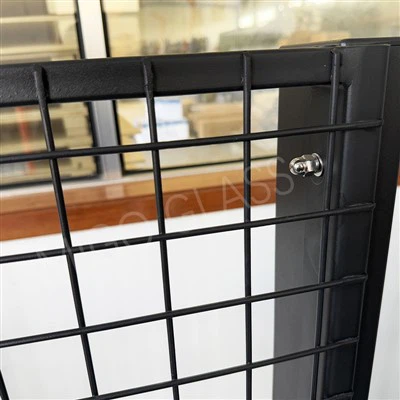
A typical court system includes the steel structure, artificial turf, lighting, glass enclosure and the hardware used to connect different components.
For glass panels, project buyers need to consider how the glass works with the complete court design.
Panel dimensions, thickness, hole positions, edge processing and fixing requirements should all be confirmed before production.
Technical drawings can help communicate these requirements more accurately, particularly for customized court systems and international projects.
Existing Courts Also Require Long-Term Maintenance
The growth of padel is not limited to new court construction.
As the global installed base of courts increases, maintenance and replacement requirements also become more important.
Damaged glass panels, fixing components and other court parts may need to be replaced during the operating life of a facility.
For replacement padel court glass, buyers should confirm the specifications of the existing panel and court structure rather than selecting glass based only on approximate dimensions.
Photographs, measurements and original technical drawings can provide useful information when evaluating replacement requirements.
Padel Development Enters a More International Stage
Reaching 100 national federations represents another step in padel's transition from a sport concentrated in a limited number of markets to a more internationally organized sporting ecosystem.
Combined with the expansion of courts, clubs, international competitions and multi-sport events, the milestone shows how padel continues to establish a broader global presence.
MIGO supplies glass and related products for padel court applications.
For new court construction or replacement glass requirements, buyers can provide their glass dimensions, thickness, quantity, processing details, court type, drawings and destination market for quotation and technical review.