Pickleball is beginning to move beyond its strongest established markets, creating new opportunities for commercial sports development in regions around the world. As awareness of the sport increases, investors, hotels, residential developers, schools, and private sports operators are exploring dedicated pickleball facilities as part of broader recreation and lifestyle projects.
For court material suppliers, this expansion into emerging markets is creating demand for durable products, flexible customization, and complete project solutions adapted to different climates and business models.
Commercial Development Expands Beyond Traditional Markets
While North America remains the center of global pickleball activity, interest is increasing across parts of Asia, the Middle East, Europe, and other developing sports markets.
In many of these regions, pickleball is being introduced through commercial clubs, international schools, hotels, resorts, residential communities, and multi-sport facilities.
These projects are important because they often introduce the sport to new groups of players while creating a foundation for future market growth.
Rather than building isolated recreational courts, some investors are developing multi-court facilities designed for coaching, memberships, social events, and organized competitions.
New Markets Require Flexible Court Solutions
Emerging markets present different construction challenges.
Climate, available land, local building practices, operating models, and customer expectations can vary significantly between regions.
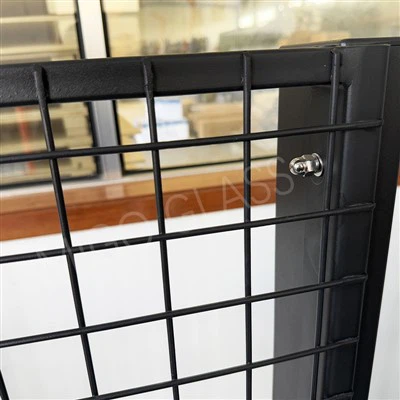
For example, outdoor projects in hot climates may require greater attention to UV stability and heat resistance, while humid or coastal environments may demand stronger corrosion protection for steel structures and fencing systems.
This makes flexible manufacturing increasingly valuable.
Buyers often require:
- Custom court dimensions and configurations
- Corrosion-resistant steel systems
- Durable sports surfaces
- Professional LED lighting
- OEM and branding options
Suppliers capable of adapting specifications to different markets can offer greater value to international contractors and distributors.
Commercial Buyers Focus on Long-Term Operating Value
As pickleball becomes a business opportunity, project owners are becoming more careful about material selection.
A commercial facility must operate reliably over time. Frequent repairs or premature replacement can increase costs while reducing court availability.
For this reason, buyers increasingly evaluate total lifecycle cost rather than simply selecting the lowest quotation.
Durable materials can help reduce:
- Maintenance frequency
- Replacement costs
- Operational downtime
- Long-term project risk
This is particularly important for clubs where court availability directly influences revenue.
Complete Court Supply Creates an Advantage
Many buyers entering emerging markets have limited experience sourcing specialized pickleball court materials.
As a result, there is growing interest in suppliers that can provide coordinated solutions covering fencing, steel structures, court surfaces, lighting systems, and installation accessories.
A more complete supply model can simplify procurement and help ensure better compatibility between components.
For overseas projects, it can also make bulk ordering, container planning, export packaging, and delivery coordination more efficient.
Local Distributors and Court Brands See New Opportunities
The expansion of pickleball is also creating opportunities for regional distributors and sports construction companies.
Rather than importing standard products only when individual projects appear, some businesses are beginning to develop their own pickleball court systems and local sales networks.
This increases demand for OEM manufacturing, custom branding, stable bulk production, and long-term supplier partnerships.
Manufacturers that can support these requirements may benefit as local companies move from individual court projects toward repeat commercial orders.
Market Outlook
Commercial pickleball development across emerging markets remains at an earlier stage than in North America, but the direction of growth is creating significant opportunities across the sports construction supply chain.
As more investors enter the sector, expectations for court quality and supplier professionalism are likely to rise.
Manufacturers that combine reliable materials, flexible customization, export expertise, and complete project support will be better positioned to serve this next wave of international development.
The future opportunity is not simply to supply more courts. It is to help emerging markets build durable, commercially viable pickleball facilities capable of supporting the sport's long-term growth.