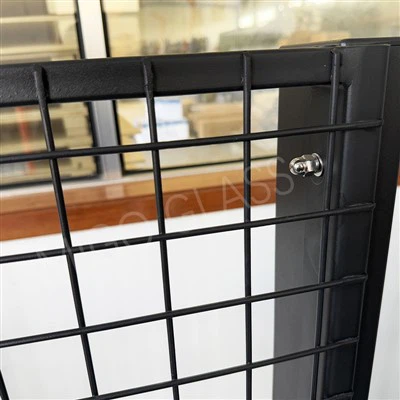
Tempered glass is one of the safest and strongest materials used in modern padel court construction. A high-quality 10mm or 12mm tempered glass panel can withstand repeated ball impacts, player collisions, and daily use for many years.
However, broken glass occasionally occurs in padel courts around the world. In most cases, the problem is not caused by the glass itself, but by improper installation, poor structural design, transportation damage, or manufacturing defects.
Understanding the real causes of glass breakage can help contractors, distributors, and club owners avoid unnecessary costs and ensure long-term safety.
1. Incorrect Glass Installation
Improper installation is one of the leading causes of tempered glass failure.
Common mistakes include:
Over-tightening bolts
Uneven pressure around fixing points
Missing plastic or nylon conical washers
Direct metal-to-glass contact
Glass panels touching the steel frame
These conditions create stress concentrations around the drilled holes. Even if the glass appears intact after installation, internal stress can eventually cause spontaneous breakage.
Prevention:
✔ Always use the correct plastic conical washers.
✔ Tighten bolts evenly using the recommended torque.
✔ Maintain adequate expansion clearance between the glass and steel structure.
2. Poor Steel Structure Alignment
Even perfectly manufactured glass can fail if the supporting steel frame is out of tolerance.
Examples include:
Twisted corner posts
Misaligned side posts
Uneven foundations
Incorrect hole positioning
When installers force the glass into a distorted frame, permanent stress is introduced into the panel.
Professional padel court manufacturers always verify frame dimensions before glass installation.
3. Edge Damage During Transportation or Installation
Although tempered glass is extremely strong on its surface, its edges are much more vulnerable.
Small chips caused by:
Forklift handling
Metal tools
Dropping panels
Rough transportation
may seem insignificant but can later develop into cracks under normal service loads.
For this reason, every glass panel should be carefully inspected before installation.
4. Nickel Sulfide (NiS) Inclusions
Nickel sulfide inclusions are microscopic impurities that may exist naturally in float glass.
Although rare, these inclusions can expand over time after tempering and eventually cause spontaneous breakage without any external impact.
This phenomenon is unpredictable and affects only a very small percentage of tempered glass worldwide.
How to reduce the risk:
Many premium projects specify Heat Soak Tested (HST) tempered glass, which significantly reduces the probability of spontaneous breakage by eliminating most panels containing unstable nickel sulfide inclusions before shipment.
5. Excessive Structural Movement
Padel courts are exposed to various environmental loads, including:
Strong winds
Ground settlement
Thermal expansion
Player impact
If the steel structure is not designed with sufficient rigidity, excessive movement may transfer additional stress to the glass panels.
A properly engineered steel frame should work together with the glass-not against it.
6. Thermal Stress
Outdoor padel courts experience significant temperature fluctuations.
When part of the glass is exposed to direct sunlight while another part remains shaded, thermal stress develops.
Normally, tempered glass easily tolerates these conditions. However, if combined with installation stress or edge damage, thermal stress may contribute to failure.
Using adequate installation clearances allows the glass to expand and contract naturally.
7. Poor Glass Quality
Not all tempered glass is manufactured to the same standard.
Common quality issues include:
Uneven tempering
Surface defects
Incorrect hole processing
Poor edge polishing
Dimensional inaccuracies
High-quality padel court glass should be produced according to internationally recognized standards and undergo strict inspection before shipment.
When selecting a supplier, look for products certified to:
CE EN12150
EN12600
SGCC ANSI Z97.1
AS/NZS 2208
These certifications help ensure the glass meets demanding safety and performance requirements.
8. Improper Maintenance
Although tempered glass requires very little maintenance, neglect can increase the risk of damage.
Regular inspections should include:
Loose bolts
Damaged washers
Steel corrosion
Foundation movement
Impact damage around edges
Replacing worn accessories promptly helps extend the service life of the entire court.
How to Prevent Tempered Glass Breakage
Most glass failures are preventable through proper design, manufacturing, transportation, and installation.
Best practices include:
Choose certified tempered safety glass.
Verify steel frame alignment before installation.
Use plastic conical washers to prevent metal-to-glass contact.
Maintain correct installation clearances.
Inspect every glass panel before installation.
Consider Heat Soak Tested (HST) glass for premium projects.
Perform regular maintenance and inspections.
Following these steps greatly reduces the likelihood of unexpected glass breakage.
Why Choose Qingdao Migo Glass?
At Qingdao Migo Glass Co., Ltd., quality and safety are at the core of every padel court glass panel we manufacture.
Our advantages include:
10mm and 12mm tempered padel court glass
Optional Heat Soak Tested (HST) glass
Precision CNC-drilled and countersunk holes
Fully polished edges and safety corners
CE, SGCC, and AS/NZS certified products
Strict dimensional and visual inspections before shipment
Customized glass solutions for panoramic, classic, and indoor padel courts
With more than 10 years of manufacturing experience, Migo Glass supplies reliable padel court glass to builders, distributors, and sports facility developers worldwide.
Final Thoughts
When tempered glass breaks in a padel court, it is rarely the result of a single factor. In most cases, failures are caused by a combination of installation stress, structural misalignment, edge damage, or manufacturing issues.
Choosing high-quality certified glass, following proper installation procedures, and working with an experienced supplier are the best ways to ensure long-term safety and durability.
A well-designed padel court should provide years of reliable performance, allowing players to focus on the game-not the glass.
Frequently Asked Questions
Is tempered glass strong enough for padel courts?
Yes. Professional padel courts typically use 10mm or 12mm tempered safety glass, which is specifically designed to withstand repeated impacts and comply with international safety standards.
Can a tennis or padel ball break tempered glass?
Under normal conditions, no. A standard padel ball does not generate enough force to break properly manufactured and correctly installed tempered glass. If breakage occurs, it is usually related to installation stress, structural issues, edge damage, or manufacturing defects rather than the ball impact itself.
Should I choose 10mm or 12mm tempered glass?
Both options are widely used. However, 12mm tempered glass is generally recommended for commercial outdoor padel courts because it offers greater rigidity and enhanced impact resistance.