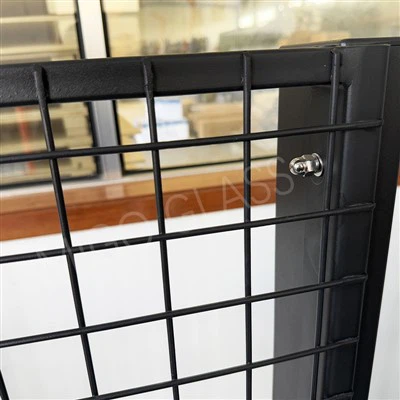
For most padel court contractors and sports facility buyers, wind load is not just an engineering detail-it is a direct factor that affects project approval, installation success, and long-term liability.
Many buyers only discover structural issues after installation, which leads to costly repairs or even full replacement.
Why Wind Load Becomes a Procurement Issue
From a buyer's perspective, wind load directly impacts:
• Whether the project passes local regulations
• Whether installation is stable in outdoor environments
• Whether maintenance costs increase over time
• Whether the supplier can actually be trusted
In many failed projects, the problem is not material quality-it is poor structural design for wind conditions.
What Experienced Buyers Usually Check First
Professional contractors typically ask suppliers for:
1. Structural Load Data (Not Just Product Photos)
Reliable suppliers should provide:
• Wind load calculation report
• Engineering drawings
• Steel structure load capacity data
If a supplier cannot provide these, it is a risk signal.
2. Steel Frame Strength
Common commercial expectations:
• Main frame: 80×80mm or larger
• Thickness: minimum 2.5mm
• Reinforced corner structure
Lower specifications may reduce cost but increase failure risk.
3. Installation Environment Matching
Buyers should clearly confirm:
• Coastal or inland location
• Average wind speed in project area
• Whether storm resistance is required
Common Mistakes in Procurement
Many first-time buyers focus only on:
• Price per court
• Delivery time
• Appearance
But ignore:
• Wind pressure design
• Foundation depth
• Structural reinforcement
• This is where most project failures happen.
Conclusion
For padel court projects, wind load is not optional technical data-it is a procurement qualification standard.
A reliable supplier should be able to prove that the structure is safe, not just sell the product.