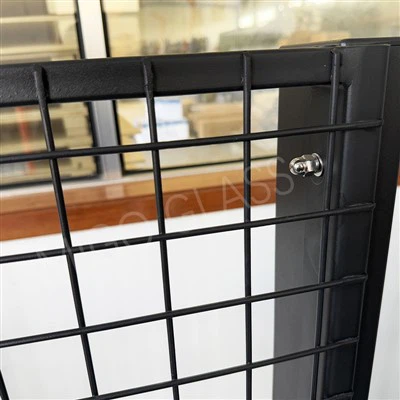
For outdoor padel courts, wind load is a key engineering factor that directly affects glass thickness selection and structural design. In developed markets, especially in coastal or open areas, improper wind-load consideration can lead to safety risks, failed inspections, and higher long-term costs.
Why Wind Load Matters
Padel courts feature large vertical glass surfaces that are highly exposed to wind pressure. As wind speed and exposure increase, so do the forces acting on glass panels, steel frames, and anchoring systems. Sudden gusts can create peak loads far higher than average values, making wind load a critical design parameter rather than a secondary check.
Wind Load and Glass Thickness
Glass thickness is not only related to player impact, but also to bending resistance and deflection under wind pressure.
10 mm tempered glass may be suitable for sheltered or low-wind locations
12 mm tempered glass is commonly used in exposed sites or higher-wind regions
Excessive deflection caused by wind can increase stress at fixing points, loosen fasteners, and raise the risk of glass failure over time.
Fixing Systems and Structural Design
Wind load affects the entire structural system, not just the glass.
Fixing points and bolt spacing must match wind conditions
Steel columns and frames must resist vibration and long-term fatigue
Wind forces are transferred into anchor bolts and foundations, requiring proper coordination with base design
A mismatch between wind load, glass thickness, and structural strength is a common cause of long-term performance issues.
Site Conditions and Design Decisions
Wind load requirements vary significantly depending on location:
Coastal and open-field sites face higher wind exposure
Rooftop and elevated installations require additional structural consideration
Urban environments may offer partial wind shielding
Outdoor courts require full wind-load analysis, while indoor courts are largely protected but still demand structural stability.
Key Takeaway for Builders
Considering wind load early helps builders choose the right glass thickness, design reliable structures, and avoid costly redesigns or safety risks. In professional padel court projects, wind load is a core engineering factor that defines long-term safety and durability, not an optional detail.
Please find more information about Tempered Safety Padel Glass here!