Managing spare parts is an important part of operating multiple padel courts. Commercial padel clubs, sports facility contractors, and distributors often need replacement glass panels, fixing accessories, net components, and other maintenance materials.
Without a standardized spare parts system, facility operators may face purchasing delays, incompatible components, and unnecessary maintenance costs.
For B2B buyers, establishing consistent specifications can make long-term court maintenance more efficient.
1. Identify Essential Replacement Components
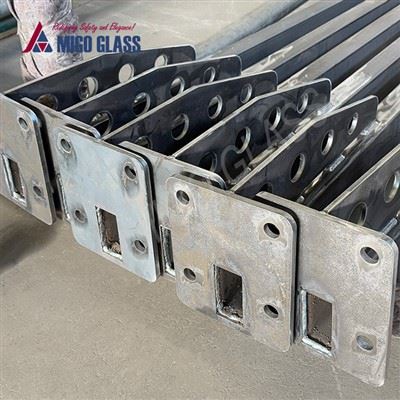
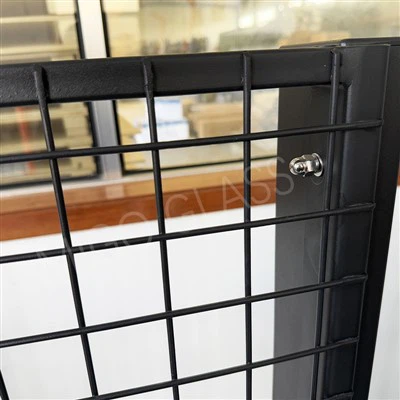
A padel court consists of several interconnected systems, including tempered glass, steel frames, mesh fencing, artificial turf, lighting, and installation accessories.
- Common replacement components may include:
- Tempered glass panels
- Glass connectors and protective gaskets
- Bolts, screws, and washers
- Door hinges and handles
- Padel nets and tensioning accessories
- Lighting components
The required spare parts depend on the court model, installation method, and maintenance history.
2. Standardize Component Specifications
Different padel court models may use different glass dimensions, fixing holes, and hardware configurations.
For facilities operating several courts, buyers should record the exact specifications of each component.
Important information includes material type, dimensions, surface finish, fixing requirements, and compatible court models.
Standardized specifications help purchasing teams identify compatible replacement parts without repeating technical measurements for every order.
3. Create a Spare Parts Identification System
Each spare part should have a clear identification code linked to the relevant court model.
For example, facility operators can organize components according to court type, component category, and drawing reference.
This approach helps maintenance teams communicate accurately with suppliers and reduces the risk of ordering incorrect accessories.
4. Plan Inventory According to Maintenance Needs
Not every replacement component requires the same inventory quantity.
Frequently replaced accessories may justify maintaining a small stock, while large glass panels require additional consideration because of storage space and handling requirements.
Buyers should evaluate historical maintenance records, supplier lead times, transportation costs, and available storage capacity when planning spare parts inventory.
5. Confirm Long-Term Supplier Compatibility
For multi-court projects, consistent supplier documentation is particularly valuable.
Buyers should request approved drawings, component specifications, and product identification details during the initial purchasing stage.
When replacement materials are required later, these records can help the supplier identify compatible products more efficiently.
If original components are discontinued, any proposed alternatives should be checked for compatibility before installation.
6. What Should B2B Buyers Confirm?
Before purchasing spare parts in bulk, buyers should provide:
- Number and models of padel courts
- Original component specifications
- Technical drawings and part numbers
- Required replacement quantities
- Material and finishing requirements
- Delivery schedule
- Packaging and storage requirements
Providing complete information can simplify procurement and reduce avoidable ordering errors.
Conclusion
Standardizing spare parts helps multi-court padel facilities manage maintenance more efficiently.
By maintaining accurate component records, organizing replacement accessories, and coordinating with reliable suppliers, B2B buyers can improve inventory planning and support consistent court maintenance.
Explore MIGO Court Glass for padel court glass, structural components, and installation accessories.