A roofed padel court can help sports clubs and commercial facilities manage exposure to rain, sunlight, and changing weather conditions. However, adding a roof involves more than covering the playing area. The roof structure must be coordinated with the court frame, lighting, ventilation, drainage, and installation requirements.
For padel court builders, contractors, and project developers, evaluating these factors early can help reduce construction problems and improve long-term facility management.
1. Determine the Roof Structure and Court Layout
The first step is to define the type of covered court required. Some projects use a lightweight canopy, while others require a larger roof structure covering multiple courts.
Buyers should confirm the court dimensions, roof span, support column positions, available installation space, and required clearance above the playing area.
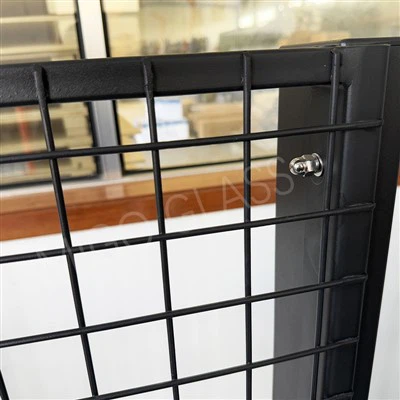
Roof supports should be coordinated with the glass panels, steel frame, mesh fencing, and player access routes. Their positions should be reviewed against the approved project drawings before manufacturing begins.
2. Evaluate Weather Protection
A roof should be selected according to the local climate and intended operating conditions.
In rainy regions, the roof design should direct water away from the playing area and prevent uncontrolled runoff near entrances and court foundations. In hot climates, solar exposure and heat accumulation beneath the roof also require attention.
For outdoor projects, the complete structure must be designed for applicable wind loads and other relevant environmental conditions. Roof materials, support spacing, anchoring, and foundations should be reviewed by qualified project professionals.
3. Plan Ventilation and Condensation Control
A covered court is not necessarily a fully enclosed court. Ventilation requirements depend on the roof configuration, surrounding walls, local climate, and expected usage.
Poor moisture management may contribute to condensation on certain surfaces, including glass and metal components. Buyers should consider airflow, drainage, and the potential for moisture accumulation when choosing the enclosure design.
For enclosed facilities, ventilation and indoor environmental requirements should be assessed as part of the overall building design.
4. Coordinate Lighting With the Roof
Roof structures can affect natural daylight and the placement of artificial lighting.
Before production, buyers should confirm luminaire mounting positions, available installation height, electrical routing, maintenance access, and the required lighting performance.
Lighting should be evaluated for uniformity and glare control across the playing area. Photometric calculations can help determine whether the proposed arrangement suits recreational use, club operations, or competition requirements.
5. Consider Maintenance Access
Commercial facilities need practical access to inspect and maintain roofing materials, drainage channels, lighting equipment, and structural connections.
Buyers should clarify how roof components will be inspected, how rainwater outlets will be cleaned, and whether lighting fixtures can be serviced without disrupting other courts.
Maintenance access should be incorporated into the design rather than treated as an afterthought.
6. What Should Buyers Include in an RFQ?
When requesting a quotation for a roofed padel court project, provide:
- Court quantity and layout
- Indoor, outdoor, or covered installation requirements
- Roof dimensions and preferred materials
- Site location and local weather conditions
- Required clearance and support positions
- Lighting and electrical requirements
- Drainage provisions
- Structural drawings and foundation information
- Installation scope and delivery destination
These details help suppliers assess the project requirements and identify coordination issues before production.
Conclusion
Planning a roofed padel court requires coordination between the roofing system and the complete court installation. Structural design, weather protection, ventilation, drainage, lighting, and maintenance access all influence the final solution.
For commercial padel court projects, confirming these requirements early can help buyers coordinate suppliers more effectively and prepare for a smoother installation.