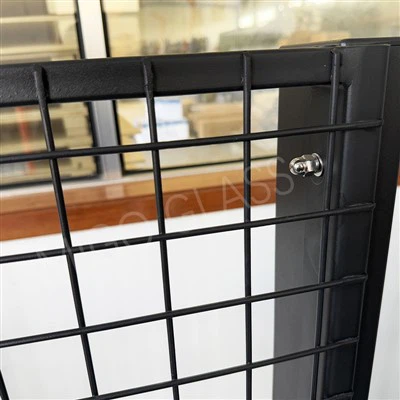
For padel court manufacturers, installers, and distributors, selecting the right glass is not only about choosing a suitable thickness. The glass panels must also match the court structure, fixing system, panel dimensions, and installation requirements.
A good match between glass and structure helps reduce installation problems and supports consistent quality across the entire court.
1. Check the Court Structure First
Before ordering padel court glass, buyers should understand the existing or planned court structure. Important information includes the steel frame design, glass panel dimensions, fixing points, supporting posts, and glass installation method.
Different court structures may use different fixing systems. Therefore, glass specifications should be confirmed according to approved technical drawings rather than selected independently.
2. Confirm Glass Thickness
Glass thickness is one of the most important specifications when matching glass with a padel court structure.
The selected thickness should be compatible with the court design, panel size, fixing method, and applicable project requirements. For replacement projects, buyers should normally match the thickness and specification of the existing panels unless the structure is being redesigned.
Simply using thicker glass does not automatically mean better compatibility. The complete glass-and-frame system needs to be evaluated.
3. Match Panel Dimensions With the Frame
Glass dimensions should be checked carefully against the structural opening.
Small differences in panel width or height can affect installation, especially when the glass is installed between steel posts or within predefined fixing positions. Buyers should provide accurate finished dimensions and identify the position of every hole or fixing point on the drawing.
For replacement glass, measuring the existing panel and fixing locations is especially important.
4. Consider the Fixing System
Padel court glass can be installed using different hardware configurations. Hole diameter, hole position, countersinking, washers, gaskets, and bolts all need to work with the selected glass panel.
The fixing system should prevent direct metal-to-glass contact and provide suitable support during installation.
For custom glass orders, buyers should provide complete hardware specifications or technical drawings so the glass processing can be matched correctly.
5. Check Glass Processing Before Production
Any drilling, edge processing, notches, or other fabrication requirements should be confirmed before production.
Because tempered glass cannot normally be cut or drilled after tempering, all processing details must be finalized before the tempering stage. This is particularly important for replacement panels where existing fixing holes must match the original structure.
6. What Should B2B Buyers Include in an RFQ?
When requesting a quotation for padel court glass, buyers should provide:
- Glass type and thickness
- Finished panel dimensions
- Hole diameter and positions
- Edge processing requirements
- Countersunk hole requirements, if applicable
- Court structure or fixing drawings
- Required quantity
- Packaging requirements
- Delivery destination
Providing complete technical information helps the glass manufacturer evaluate compatibility before production.
Conclusion
Choosing padel court glass should be treated as a glass-and-structure matching process, rather than simply selecting a glass thickness. Panel dimensions, fixing points, processing details, and structural design all need to work together.
For padel court manufacturers and distributors, confirming these specifications before production can help reduce installation issues and make replacement or large-volume orders more consistent.