As padel grows rapidly worldwide, courts have become standardized facilities with high commercial value. For builders, meeting international standards is essential to ensure courts are approved, suitable for official matches, and deliver long-term returns.
Common issues include:
Slight deviations in court dimensions, making courts ineligible for official play
Ignoring ceiling height or safety buffer zones during planning, leading to costly adjustments
Misunderstanding standards, causing improper glass, fencing, or structural installation
Applying globally recognized padel court dimensions and FIP standards is crucial for professional construction and reducing project risks.

1. International Padel Court Standards (FIP)
FIP (International Padel Federation) sets the authoritative technical standards widely used in Europe, North America, the Middle East, and emerging markets. Even where not mandatory, FIP standards ensure courts are internationally compliant and future-proof.
Standard Match Court Dimensions:
Length: 20 m
Width: 10 m
Total area: 200 m²
Net height: Center 88 cm, Sides 92 cm
⚠️ Deviations can prevent use in competitions or commercial operations.
2. Walls and Glass Structure
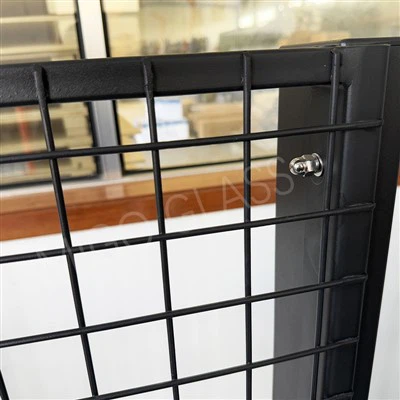
Padel courts use glass-and-fence enclosures for ball rebounds. Proper height, material, and stability are essential for gameplay, safety, and spectators.
Back Wall (Baseline):
Height: 4 m
Glass: 1995 × 2995 mm, 10–12 mm tempered glass
Installation: Lower fixed to frame, upper integrated with fencing
Side Walls:
Near baseline: Glass 3 m
Near net: Glass 2 m + metal fencing
Max height: 4 m
Construction Tips:
Maintain gaps between glass panels
Comply with safety and impact regulations
Use connectors for vibration and thermal expansion


3. Ceiling Height and Space
Recommended Ceiling Height:
Indoor courts: 6–8 m
Premium/international courts: ≥ 8 m
Safety Buffer Zones:
Behind baseline: ≥ 2 m
Side lines: 1.5–2 m
Ensures player safety, maintenance, lighting, and spectator access.
4. Key Construction Considerations
Foundation: Flat, crack-resistant concrete; slight slope outdoors (0.5–1%) for drainage
Drainage: Essential in rainy regions to protect turf, safety, and experience
Lighting: 300–500 lux; avoid glare and shadows; coordinate with glass/fencing
5. Regional Requirements
Europe: Strict FIP compliance, structural safety, CE certification, sustainable materials
North America: FIP + local building codes, wind and seismic resistance
Middle East & hot climates: Standard dimensions + thermal expansion and UV protection
6. Professional Advice
Use FIP standards from the design phase
Plan extra space for operations and maintenance
Choose suppliers with international experience
Check local regulations before construction
Conclusion
Standardized padel court dimensions and construction guidelines are essential for global market success. Following FIP standards and adapting to local regulations ensures high-quality, long-lasting courts.
For more insights on padel court design, glass and structure selection, and construction solutions, stay updated with our professional guidance.