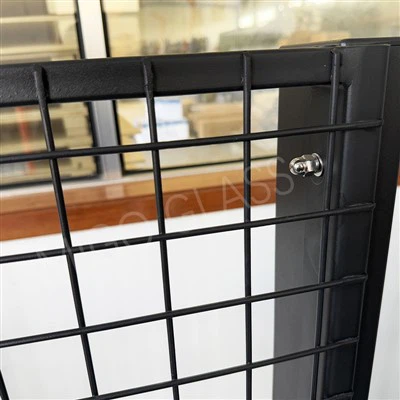
When installing padel court glass, many people focus on the glass itself, while one small detail is often overlooked-expansion gaps. Although they may seem minor, these gaps play an important role in protecting the glass from unnecessary stress over time.
Glass and steel expand and contract at different rates as temperatures change. Without adequate clearance, pressure can gradually build around the panel, increasing the risk of edge damage or unexpected breakage.
A properly designed installation should allow the glass to move slightly while remaining securely fixed within the structure.
Professional installers usually consider:
• Expansion gap dimensions
• Glass-to-steel clearance
• Rubber gasket thickness
• Connector positioning
• Frame alignment
• Installation tolerances
One contractor working on an outdoor padel project in Southern Europe discovered several cracked panels after the first summer. After inspection, the glass quality met all requirements, but the expansion gaps were too small, leaving little room for thermal movement.
During the replacement, the installer adjusted the spacing around each panel according to the manufacturer's recommendations. The problem did not occur again.
Another common mistake is tightening glass connectors too firmly. Excessive pressure can reduce the effectiveness of expansion gaps and create additional stress around drilled holes.
Common Installation Issues
| Issue | Possible Result |
|---|---|
| Insufficient expansion gap | Increased thermal stress |
| Over-tightened connectors | Stress around fixing holes |
| Uneven frame alignment | Glass edge pressure |
| Missing rubber gaskets | Direct metal-to-glass contact |
| Poor installation tolerance | Difficult panel adjustment |
As modern padel courts become larger and use heavier glass panels, installers are paying more attention to expansion gap design. A few millimeters of proper clearance can significantly improve installation reliability, structural stability, and long-term glass performance.