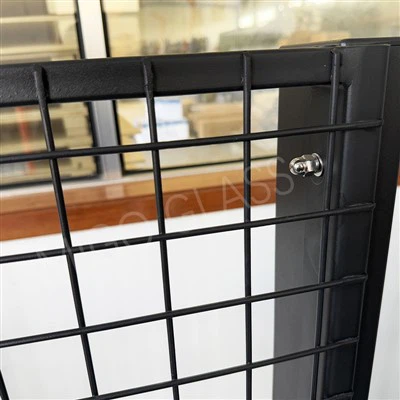
As a professional sports venue material, hockey glass plays a vital role in modern sports venues. The strictness of its construction standards is not only related to the safety of athletes, but also directly affects the fairness and viewing of the game. Understanding and following these construction standards is the key to ensuring that hockey venues meet international standards.
First of all, the thickness and material selection of hockey glass are crucial. Generally speaking, the thickness of standard hockey glass should meet certain standards to ensure its sufficient strength and toughness. At the same time, the material of the glass must have good transparency and impact resistance to reduce visual interference during sports and prevent the glass from breaking due to impact.
During the construction process, the installation accuracy of the glass is also an important link that cannot be ignored. The gap between each piece of glass must be strictly controlled, neither too large to affect the appearance nor too small to cause installation difficulties or stress concentration. In addition, the installation of the glass must be horizontal and vertical to ensure the overall flatness of the venue.
In addition to installation, maintenance is also the key to ensuring the long-term use of hockey glass. Regular inspection and cleaning are essential. The inspection should include the appearance of the glass, the installation condition, and whether there are any damage or potential risk points. Special cleaning agents and tools should be used for cleaning to avoid scratching the glass or affecting its transparency.
In addition, the professionalism and experience of the construction team are also important factors in determining the quality of construction. Construction personnel need to undergo professional training and be familiar with the characteristics and construction specifications of hockey glass to ensure that every link in the construction process meets the standards.
Following these construction standards can not only improve the overall quality of the hockey venue, but also provide athletes with a safe and comfortable competitive environment.